
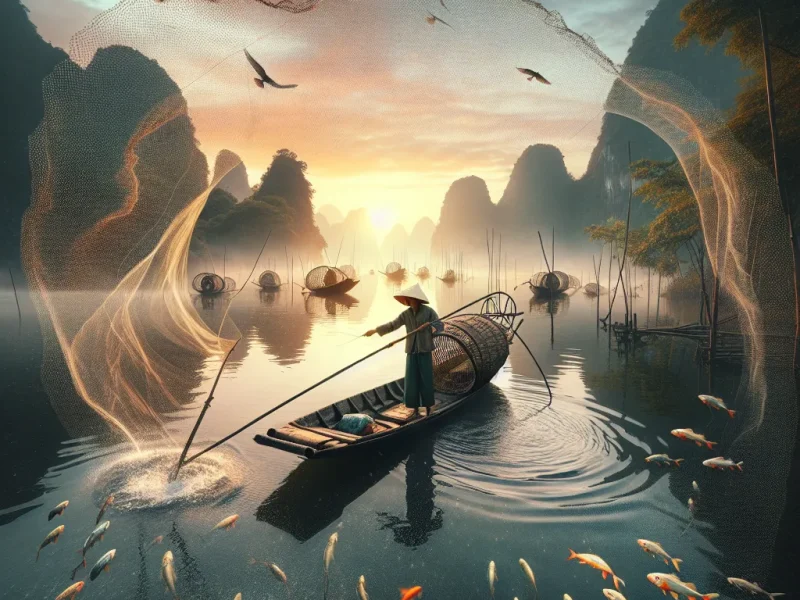

The Thriving Fishing Scene in Vietnam: Culture, Techniques, and Conservation
Fishing is more than just a livelihood in Vietnam; it’s a way of life that intertwines with the country’s culture, traditions, and environmental stewardship. From the bustling markets of Ho Chi Minh City to the serene beaches of Phu Quoc, the fishing scene in Vietnam breathes life into the nation’s economy and heritage.
A Historical Overview of Fishing in Vietnam
The long coastline of Vietnam, stretching over 3,200 kilometers, has made it a hub for various marine resources. Fishing has been an integral part of Vietnamese culture for thousands of years. Archaeological findings suggest that fishing activities date back to prehistoric times, showcasing the importance of seafood in Vietnamese diets.
Over the centuries, fishing methods have evolved. Traditional techniques using bamboo traps, nets, and small boats were commonly employed until modernization brought forth new technologies. Today, fishing in Vietnam is a blend of time-honored practices and contemporary techniques, meeting both local and international demands.
The Cultural Significance of Fishing
Fishing in Vietnam is deeply rooted in local cultures and traditions. Many fishing communities celebrate festivals that highlight their traditions. For instance, several coastal towns hold fish-catching festivals where villagers gather to commemorate the significance of the sea in their lives.
- Fishing Festivals: Events such as the Nghinh Ông Festival in southern Vietnam honor sea gods and ask for bountiful catches.
- Culinary Traditions: Seafood dishes like pho with fish, goi ca (fish salad), and grilled fish with herbs reflect the rich flavor profiles and cooking styles derived from fishing.
Techniques Used in Vietnam’s Fishing
The techniques employed by Vietnamese fishermen range from traditional to modern. Let’s explore a few prevalent methods:
1. Traditional Fishing Techniques
Many fishing communities still practice age-old methods that have been passed down through generations. Here are some of the most well-known:
- Cast Nets: Fishermen throw circular nets into the water from boats or shore, capturing fish as they sink.
- Bamboo Traps: Ingeniously designed traps made of bamboo are often placed near tidal areas to ensnare crabs and small fish.
- Drift Nets: Long nets that drift with currents are set to catch schools of fish swimming by.
2. Modern Fishing Techniques
With the advent of technology, fishing in Vietnam has adopted modern techniques for better efficiency and productivity:
- Trawler Fishing: Large boats equipped with powerful nets target deep-sea fish, efficiently covering vast areas.
- Fish Farming: Aquaculture has gained prominence, with fish farms employing sophisticated techniques to raise species like catfish and tilapia.
The Economic Impact of Fishing in Vietnam
Vietnam stands as one of the world’s leading exporters of seafood. The fishing industry contributes significantly to the nation’s GDP and offers employment to millions. A diverse range of fish and seafood products make their way to international markets, thus providing a vital source of foreign exchange.
1. Export Growth
According to the Vietnam Association of Seafood Exporters and Producers (VASEP), Vietnam’s seafood exports in recent years have soared, targeting markets across the globe including the United States, Japan, and the European Union.
2. Local Markets
Local fish markets are not only bustling centers of commerce but also social hubs where fishermen and buyers interact directly. Markets such as Ben Thanh Market in Ho Chi Minh City and Hanoi’s Dong Xuan Market are testimony to the essential role of fishing in local economies.
Sustainable Fishing: Challenges and Efforts
While fishing remains an essential economic activity, concerns about sustainability and environmental impact have emerged, requiring immediate attention.
1. Overfishing
Rapid industrialization has pressured many fisheries, leading to overfishing. Certain fish species face diminishing populations, triggering alarm among conservationists and policy-makers.
2. Marine Pollution
With industrial runoff and plastic waste contaminating the waters, marine pollution poses a significant threat to aquatic life. These pollutants not only affect fish populations but also the health of local communities relying on the sea for sustenance.
3. Conservation Efforts
Recognizing these threats, various government and non-governmental organizations are working towards sustainable fishing practices:
- Policies and Regulations: The Vietnamese government has introduced several policies aimed at regulating fishing quotas and protecting endangered species.
- Community Awareness Programs: Local and international NGOs are actively involved in educating fishermen about sustainable practices and the importance of marine conservation.
Fishing Tourism in Vietnam
As global interest in ecotourism grows, Vietnam has begun to capitalize on its rich fishing heritage. Fishermen are now welcoming tourists to experience the unique fishing traditions firsthand.
1. Angling and Recreational Fishing
Coastal areas such as Nha Trang and Phu Quoc offer excellent opportunities for angling and recreational fishing, attracting both local and international tourists.
2. Cultural Fishing Tours
Tour companies are now offering cultural tours that include fishing villages, providing tourists insights into traditional techniques and daily lives of fishermen.
Future of Fishing in Vietnam
The future of fishing in Vietnam hinges on balancing economic benefits with sustainability. The ongoing crisis of overfishing and marine pollution calls for increased awareness and proactive policies. The following strategies may shape the future of fishing in Vietnam:
- Promotion of Sustainable Practices: Encouraging fishermen to adopt eco-friendly methods can help restore fish populations while maintaining livelihoods.
- Investment in Technology: Advanced fishing technology can ensure efficient practices while minimizing environmental impact.
- Awareness Campaigns: Educational initiatives can guide local communities and travelers towards responsible fishing practices and marine conservation.
Conclusion: Embracing the Future
The rich fishing culture in Vietnam reflects a deep connection between its people and the sea. However, this relationship must evolve to ensure the sustainability of marine resources for future generations. By embracing sustainable fishing practices, promoting conservation, and leveraging the unique cultural heritage, Vietnam can continue to thrive as a fishing nation while safeguarding its natural treasures.
As the world turns its gaze towards responsible fishing and sustainability, Vietnam stands at a crossroads; its choices will dictate the future of its cherished marine resources. Through responsible tourism, community engagement, and sustainable practices, the fishing scene in Vietnam can flourish for decades to come.
0 Comment