
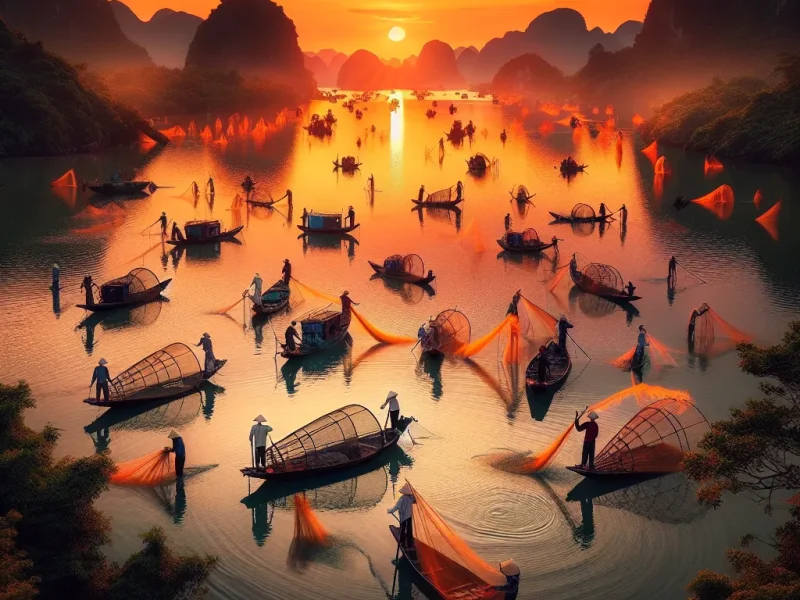

Exploring the Vibrant World of Fishing in Vietnam
A Rich Cultural Heritage
Fishing in Vietnam is more than just a livelihood; it is an integral part of the country’s cultural heritage. With over 3,000 kilometers of coastline and a plethora of rivers and lakes, Vietnam’s waters teem with a rich diversity of fish species. This article delves into the various aspects of fishing in Vietnam, highlighting traditional techniques, notable fishing spots, and sustainable practices that are gaining traction.
The Diverse Fishing Environments of Vietnam
Vietnam’s geographical diversity supports various fishing environments, from the tranquil rivers of the Mekong Delta to the vibrant waters of the South China Sea. Let’s explore some of these key areas:
1. The Mekong Delta
The Mekong Delta is a mosaic of rivers, swamps, and islands, providing fertile fishing grounds. Fishermen here often engage in net fishing, using traditional methods passed down through generations. The bounty includes species like catfish, tilapia, and various freshwater crustaceans.
2. Ha Long Bay
A UNESCO World Heritage site, Ha Long Bay boasts stunning limestone karsts and is also renowned for its vibrant fish populations. Fishing here often involves gillnets and traps, targeting species such as mackerel and grouper.
3. Nha Trang
Known as the diving capital of Vietnam, Nha Trang offers excellent fishing opportunities from its boats. Here, fishermen target snapper, barracuda, and other deep-sea species, often using modern techniques alongside traditional practices.
Traditional Fishing Techniques
Fishing methods in Vietnam vary by region but often reflect age-old traditions. Let’s look at some distinctive fishing techniques employed by local fishermen:
1. Cast Net Fishing
In many coastal villages, cast net fishing is a common practice. Fishermen skillfully throw their nets into the water, creating a circular snare that captures fish. This method is not only efficient but also ensures minimal bycatch.
2. Bamboo Fish Traps
Bamboo fish traps are a traditional method still in use today, especially in the Mekong Delta. These traps are set in rivers, allowing fish to swim inside but making it difficult for them to escape. They are eco-friendly and sustainable, ensuring the balance of local ecosystems.
3. Long-Line Fishing
Long-line fishing, predominantly used in deep-sea waters, involves a long main line with baited hooks spaced along it. This method targets larger species like tuna and is commonly practiced in central Vietnam.
Popular Fishing Practices and Festivals
Fishing in Vietnam isn’t solely about catching fish; it’s also a social activity that fosters community ties. Various fishing festivals are celebrated across the country, often attracting visitors and locals alike.
1. The Fish Worshiping Festival
This annual festival, celebrated in several coastal towns, pays homage to the sea gods. Fishermen prepare offerings, including fish caught during the year, to ensure a bountiful catch in the future. This festival highlights the deep connection between fishermen and the sea.
2. The Fishing Season
The fishing season in Vietnam varies by region and is influenced by weather patterns. Coastal areas often have designated times when specific species are in abundance, allowing local fishermen to prepare and catch fish sustainably.
Sustainability in Fishing Practices
As global attention towards sustainable fishing practices increases, Vietnam is making significant strides to protect its marine resources. Local organizations and government programs are dedicated to promoting responsible fishing practices and preserving aquatic habitats.
1. Responsible Fishing Guidelines
Fishermen are encouraged to adhere to sustainable fishing guidelines that regulate catch sizes, allow for breeding seasons, and protect endangered species. Those who comply with these guidelines are often rewarded with certifications that can enhance product value.
2. Artificial Reefs
To support marine biodiversity, Vietnam has been investing in creating artificial reefs. These reefs attract fish and enhance local ecosystems, providing new habitats for marine life while also encouraging tourism and recreational fishing.
The Future of Fishing in Vietnam
The fishing industry in Vietnam faces various challenges, including overfishing, climate change, and pollution. Still, initiatives led by local communities and international organizations aim to secure a sustainable future for fishing in the region.
1. Aquaculture Development
To relieve pressure on wild fish populations, aquaculture is being promoted as a viable alternative. This practice not only supports the local economy but also provides a consistent supply of fish for both locals and international markets.
2. Eco-Tourism and Fishing Adventures
Fishing has become a crucial part of eco-tourism in Vietnam. Tour operators provide fishing experiences that highlight sustainable practices while allowing visitors to enjoy the beautiful landscapes and rich culture. These eco-friendly tours often include educational components, raising awareness about the importance of conservation.
Conclusion
Fishing in Vietnam is a fascinating blend of tradition, culture, and ecosystem sustainability. As the country looks to balance economic growth with environmental health, the fishing industry will continue to evolve, offering unique opportunities for both locals and tourists. Embrace the charm of Vietnamese fishing by participating in a local fishing tour and contributing to the sustainable practices that are vital for future generations.
0 Comment