
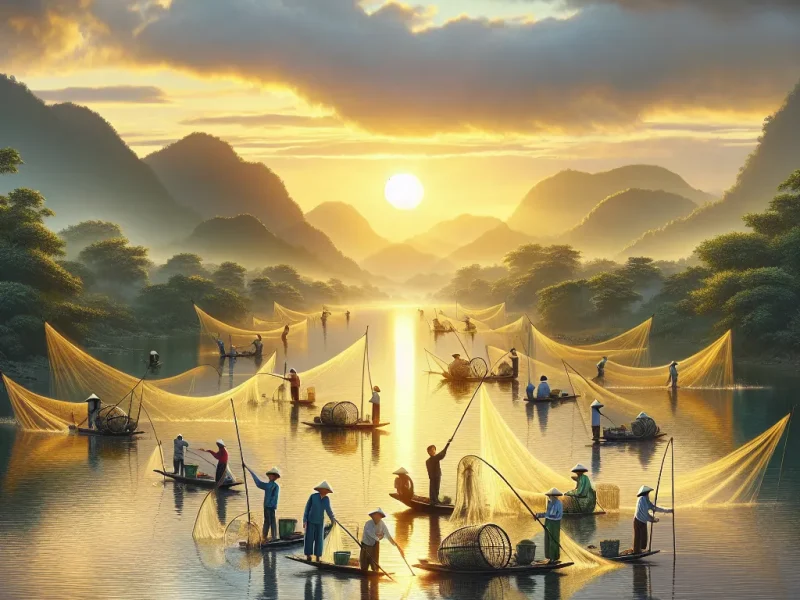

The Rich Tapestry of Fishing in Vietnam
Fishing in Vietnam is more than just a means of livelihood; it is a significant part of the nation’s cultural identity, showcasing the intricate relationship between humans and the vast aquatic resources that the country offers. This article delves into the various fishing techniques employed in Vietnam, the diversity of aquatic species, and the cultural significance tied to fishing practices.
The Geography of Fishing in Vietnam
Vietnam’s geographical setting—bordered by the South China Sea, abundant rivers, and lush deltas—creates a paradise for fishing enthusiasts. The country features numerous ecosystems rich in biodiversity, teeming with marine life.
- The Mekong Delta: Known for its intricate waterways, this delta is a hub for both freshwater and brackish fishing.
- Coastal Regions: The coastline of Vietnam stretches over 3,000 kilometers, providing ample opportunities for saltwater fishing.
- Mountain Rivers: High-altitude regions host rivers and streams that are home to unique species.
Traditional Fishing Techniques
Vietnam is steeped in traditional fishing practices that date back centuries. These methods are not only effective but also highlight the ingenuity and resourcefulness of local fishermen.
1. Net Fishing
Using nets is one of the oldest fishing techniques in Vietnam. Fishermen cast nets from shore or boats, targeting various species such as catfish and tilapia.
2. Trapping
Fishermen often set traps in rivers and streams to capture fish. These traps can be made from bamboo or other natural materials, allowing for a sustainable and environmentally friendly method of fishing.
3. Spearfishing
This technique, often practiced in coastal waters, involves the use of a spear to catch fish. It requires skill and knowledge of underwater environments.
4. Tuna and Squid Jiggling
A unique practice in Vietnam, particularly in the south, involves using lights to attract tuna and squid at night. Fishermen then jiggle their lines to entice the fish.
Modern Fishing Techniques
As technology advances, so do fishing techniques in Vietnam. Modern methods have been integrated alongside traditional practices to meet the growing demand for seafood.
1. Aquaculture
With the rise in seafood consumption, aquaculture has become a vital part of Vietnam’s fishing industry. Farms dedicated to breeding fish, shrimp, and other aquatic species have sprung up across the country.
2. Commercial Trawling
Commercial fishing vessels equipped with advanced sonar and trawling gear operate along the coastline, targeting larger species in deeper waters.
3. Sustainable Practices
To protect marine biodiversity, sustainable fishing practices (like selective fishing and minimum size regulations) are being adopted in Vietnam, promoting long-term ecological health.
Diverse Aquatic Species
Vietnam’s waters are home to a diverse range of fish and other aquatic creatures. The country offers rich fishing grounds that attract both local and international fishing enthusiasts.
Freshwater Species
In rivers and lakes, several species thrive, including:
- Catfish: Perhaps the most notable freshwater fish in Vietnam, catfish is not just essential for the local diet but also for export.
- Carp: Many varieties of carp are found and often feature in traditional culinary dishes.
- Tilapia: A common choice in aquaculture due to its fast growth rate and adaptability.
Saltwater Species
The coastal waters of Vietnam are known for a range of marine life, including:
- Tuna: Sought after both commercially and recreationally, tuna fishing is a significant part of the coastal fishing industry.
- Grouper: This fish is prized for its flavor and is a key component in many Vietnamese recipes.
- Squid: Squid fishing has become popular along the coast, especially during the night.
Cultural Significance of Fishing
Fishing in Vietnam is deeply intertwined with the daily lives and traditions of its people. Throughout the nation, various cultural practices celebrate fishing as an essential activity.
1. Festivals
Many regions host fishing festivals that honor local customs and showcase traditional fishing techniques. These festivals often include competitions, music, and dance, celebrating the bond between the community and the sea.
2. Culinary Traditions
Fish is a staple in Vietnamese cuisine, featuring prominently in dishes like phở cá (fish noodle soup) and gỏi cuốn (spring rolls). The cooking methods and recipes often reflect the freshness and variety of local fish.
3. Storytelling and Folklore
Through generations, fishing stories and folklore have been passed down, capturing the essence of fishing experiences and fostering a collective identity among the communities.
The Future of Fishing in Vietnam
As Vietnam continues to grow both economically and demographically, the fishing industry faces multiple challenges, including overfishing, pollution, and climate change. Addressing these issues is crucial for maintaining sustainable fish populations and protecting the livelihoods of millions.
1. Policy Reforms
The Vietnamese government is increasingly focusing on policies aimed at sustainable fishing, including regulations on catch limits and protected areas.
2. Community Involvement
Encouraging local communities to participate in sustainable practices can help foster a culture of conservation and awareness around marine biodiversity.
3. Eco-Tourism
Developing eco-tourism centered around fishing can create new economic opportunities while promoting the conservation of marine resources.
Conclusion
Fishing in Vietnam is a captivating blend of tradition and modernity, showcasing the importance of aquatic resources in the lives of its people. By understanding the various fishing techniques, the diversity of species, and the cultural significance tied to fishing, one can appreciate the rich tapestry this activity weaves into the broader story of Vietnam.
0 Comment