
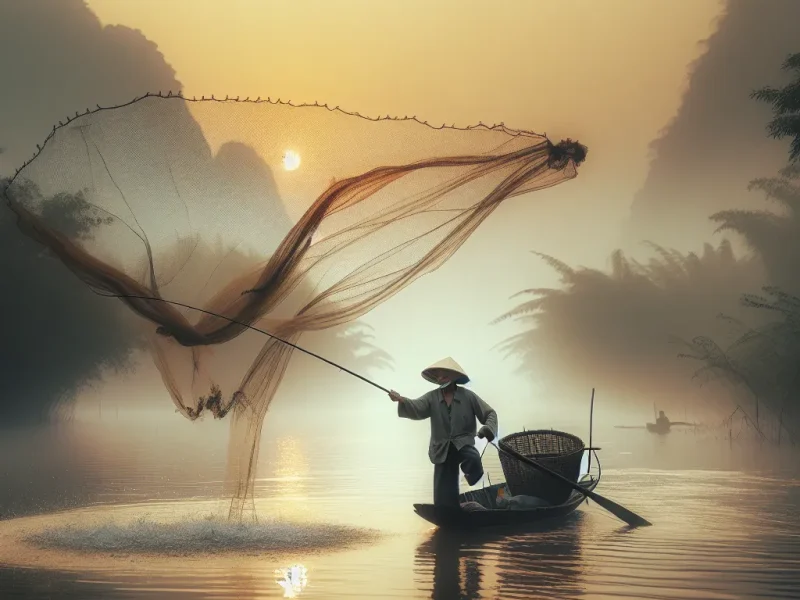

Exploring the Rich Fishing Culture of Vietnam
Fishing in Vietnam is not just a means of livelihood; it is a way of life steeped in rich traditions, diverse techniques, and a kaleidoscope of culinary delights. The country’s vast waterways, long coastlines, and diverse marine ecosystems make it a prime destination for fishing enthusiasts and a fundamental aspect of Vietnamese culture. In this article, we will delve into the fascinating fishing practices of Vietnam, popular fish species, and the significant efforts towards sustainability in this vibrant sector.
A Brief Overview of Vietnam’s Fishing Landscape
Vietnam boasts over 3,260 kilometers of coastline stretching from the northern Gulf of Tonkin to the southern waters of the Mekong Delta. Its verdant rivers, such as the Mekong and Red River, along with thousands of lakes and bays, create a rich fishing habitat. This diversity contributes to a vibrant fishing industry that is integral to the country’s economy.
Traditional Fishing Techniques in Vietnam
Fishing techniques in Vietnam vary widely by region, each reflecting the local environment and cultural practices. Here are some traditional methods still widely used today:
1. Cast Nets (Đánh Lưới)
Cast nets are a common fishing tool in both fresh and saltwater areas. Fishermen skillfully cast their nets from boats or from the shore, aiming to catch a school of fish in one sweeping movement. This technique requires not only precision but also an understanding of fish behavior.
2. Bamboo Traps (Bẫy Tre)
Bamboo traps are often used in rivers to catch fish during spawning seasons. These traps are designed to funnel fish into entrapments, allowing for efficient catches. This eco-friendly method has minimal impact on the local ecosystem.
3. Longlines (Câu Đuôi)
A prevalent method among professional fishermen, longlining involves deploying a main line with baited hooks along its length. This technique can facilitate catching larger species, especially in deep waters.
4. Fish Farms (Nuôi Cá)
With the increase in fish consumption and the depletion of wild fish stocks, aquaculture has become an essential alternative. Farmed fish like tilapia and catfish are prevalent, adopting both traditional practices and modern farming technologies.
Popular Fish Species in Vietnam’s Waters
Vietnam’s waters are home to a diverse array of fish species, making it a paradise for anglers. Here are some of the most sought-after species:
1. Tilapia (Cá Rô Phú)
Tilapia is one of the most common farmed fish in Vietnam. Not only is it popular due to its mild flavor and versatility in dishes, but it also thrives in local aquaculture environments.
2. Catfish (Cá Tra)
Vietnamese catfish, particularly the Mekong delta species, is renowned for its firm texture and taste. It plays a critical role in both local cuisine and international markets.
3. Red Snapper (Cá Hồng)
This fish is highly prized not only for its culinary value but also for its commercial worth. Red snapper is mostly caught in coastal waters, making it a favorite among local fishermen.
4. Barramundi (Cá Chẽm)
Barramundi is a popular game fish in Vietnam, found in both estuarine and freshwater environments. Its popularity has led to a boom in recreational fishing.
The Role of Fishing in Vietnamese Culture
Fishing in Vietnam is intrinsically linked to cultural practices, celebrations, and daily life. The country’s fishing heritage is apparent in its cuisine, festivals, and stories passed down through generations.
1. Culinary Delights
Seafood is a staple in Vietnamese cuisine, from simple home-cooked meals to extravagant dishes served in celebrated restaurants. Dishes like cha ca (grilled fish) and canh chua (sour fish soup) showcase the diversity and flavor profiles available from the country’s waters.
2. Festivals Celebrating Fishing
Fishing festivals, such as the Boat Racing Festival, are celebrated in coastal regions, commemorating the connection between local people and the sea. These festivals often involve traditional games, ceremonies, and seafood feasts.
Challenges Facing Vietnam’s Fishing Industry
While Vietnam’s fishing industry is vibrant, it faces several challenges, particularly with the sustainability of fish stocks and environmental degradation. Some critical issues include:
1. Overfishing
With rising demand for seafood, overfishing has become a pressing concern. Many species are at risk due to unsustainable catch practices, leading to reduced fish populations.
2. Pollution and Habitat Loss
Industrial development and pollution have severely impacted aquatic ecosystems. Rivers and coastal waters contaminated with chemicals can drastically change fish habitats, leading to loss of biodiversity.
3. Climate Change
Rising sea temperatures and changing weather patterns due to climate change also pose risks to marine life and, consequently, to the livelihoods of fishermen. Altered fish migration routes can disrupt traditional fishing practices.
Sustainable Fishing Practices in Vietnam
Recognizing the threats to its fishing industry, Vietnam has made significant strides toward sustainable fishing practices:
1. Government Regulations
The Vietnamese government has implemented regulations to manage fishing quotas for commercial fishing. These regulations are designed to protect over-exploited species and ensure that fish populations remain viable.
2. Aquaculture Initiatives
To reduce pressure on wild fish stocks, aquaculture has been promoted as a sustainable alternative. Many fish farms are adopting environmentally friendly practices to minimize their ecological footprint.
3. Community Engagement
Local communities are increasingly involved in conservation efforts, participating in beach clean-ups and initiatives to restore damaged ecosystems. Awareness campaigns promote responsible fishing habits and respect for marine life.
Conclusion: A Bright Future for Vietnam’s Fishing Industry
The fishing industry in Vietnam embodies the nation’s rich tradition and cultural heritage. Despite facing significant challenges, the commitment to sustainable practices and community involvement paints a bright future for this vibrant sector. The continued emphasis on conservation and responsible fishing habits will not only ensure economic viability for current and future generations of fishermen but also safeguard the remarkable marine ecosystems that support their livelihoods.
As Vietnam continues to navigate the complexities of its fishing industry, it stands as a testament to how traditional practices can harmoniously coexist with modern sustainability efforts. Whether you are a seasoned angler or a curious traveler, Vietnam offers an adventure through its rich fishing culture that is both rewarding and enlightening.
0 Comment