
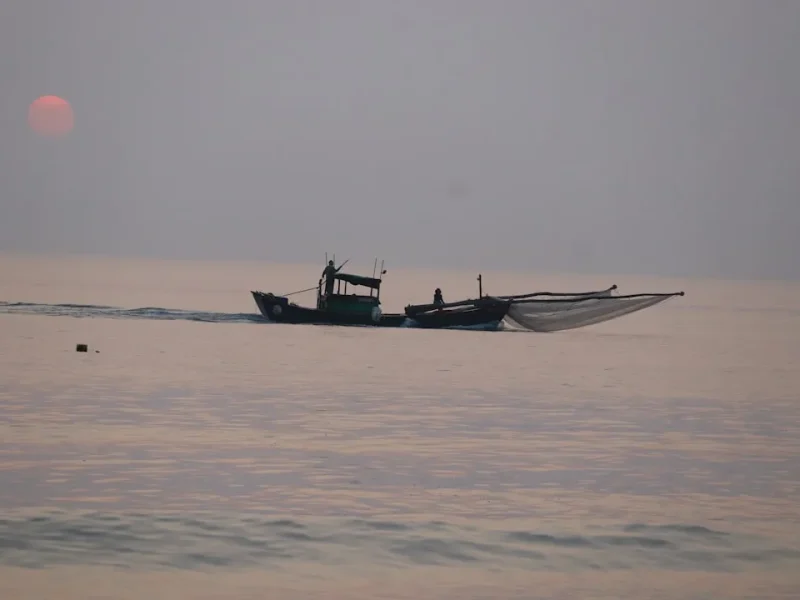

Vietnam Fishing for Beginners: Step-by-Step Starter Guide
Imagine yourself standing on the edge of a tranquil lake, the sun rising over the mist-covered horizon, with the promise of a day filled with adventure ahead. You cast your line into the crystal waters, hoping to hook one of the region’s fascinating fish species. In this guide, we’ll explore the captivating world of fishing in Vietnam, offering beginners everything they need to start their fishing journey.
Overview of Fishing in Vietnam
Vietnam’s diverse landscapes offer a plethora of fishing opportunities catering to all skill levels. From the serene lakes in the North to the bustling river systems of the Mekong Delta and the endless coastal waters, there’s something for everyone. Popular fishing methods include spinning, baitcasting, and trolling, each providing a unique experience that connects you with nature while enjoying the vibrant surroundings.
Top Fishing Destinations
Northern Vietnam Fishing
In Northern Vietnam, the stunning landscapes of Ha Long Bay and the tranquil lakes of Sapa present exceptional fishing opportunities. You can fish for species such as:
- Peacock Bass: Known for its vivid colors and ferocious strikes, the peacock bass can be found in many lakes.
- Giant Snakehead: This predatory fish is a thrill to catch and often lurks near aquatic vegetation.
Central Vietnam Fishing
The central coastline provides ample opportunities for deep-sea fishing. Fishing in places like Da Nang and Nha Trang can yield:
- Barramundi: A favorite among anglers, it’s known for its fighting spirit.
- Snapper: Common in deeper waters, snapper is a prized catch among local fishermen.
Southern Vietnam Fishing (Mekong Delta)
The Mekong Delta is a must-visit for any fishing enthusiast. Here, you can target:
- Mekong Catfish: These massive fish can weigh over 600 pounds, making them a bucket-list catch.
- Pangasius: Also known as the river catfish, it’s commonly found in the delta’s canals.
Best Time for Fishing in Vietnam
Timing is crucial when it comes to a successful fishing trip. The best seasons vary by region:
- North (Hanoi and Sapa): October to April, during the cooler months, is ideal for freshwater species.
- Central (Da Nang, Nha Trang): May to September when the weather is warm, enhances fishing for deep-sea creatures.
- South (Mekong Delta): November to April is perfect for catfish and more freshwater species.
Fishing Techniques & Gear Guide
As a beginner, understanding different fishing techniques and the right gear is essential for an enjoyable experience. Here’s a breakdown of popular fishing methods in Vietnam:
Fishing Techniques
- Spinning: Great for beginners, it involves a spinning reel and is effective for catching bass and catfish.
- Baitcasting: More advanced, but offers better control and casting accuracy, ideal for larger species.
- Fly Fishing: Popular in serene lakes; it requires patience but can be extremely rewarding.
- Jigging and Trolling: Excellent for deep-sea fishing; ideal for catching snapper and barramundi.
Gear Recommendations
Essential gear can influence your success. Beginners should consider the following:
- Rods: A medium-action rod of around 6-7 feet is versatile for various fish styles.
- Reels: Choose a spinning reel for ease of use; combine it with 10-20 lb test monofilament line.
- Baits: Live baits like worms or minnows work well; for species like catfish, consider using shrimp or cut bait.
Suggested Fishing Itinerary
Here’s a simple itinerary for a thrilling fishing experience across Vietnam:
| Day | Location | Activities |
|---|---|---|
| 1 | Hanoi | Morning: Fish in Hanoi lakes for Peacocks. Afternoon: Local market tour. |
| 2 | Ha Long Bay | Full day deep-sea fishing; target Barramundi. |
| 3 | Mekong Delta | Morning: Catfish fishing in the delta waterways. Afternoon: Explore local life. |
Budget & Cost Breakdown
Understanding the costs is pivotal for planning your fishing adventure. Here’s a simple budget breakdown:
| Item | Cost (USD) |
|---|---|
| Fishing Permit | $10 |
| Guide Fee | $50 – $100 |
| Gear Rental | $15 – $30 |
| Food & Drinks | $10 – $20 |
| Total | $85 – $160 |
Best Fishing Tours & Experiences
To ensure an enriching fishing experience, it’s beneficial to opt for local fishing tours. Some top recommendations include:
- Mekong Delta Fishing Tours: Local guides provide deep insights and fishing techniques.
- Ha Long Bay Fishing Tours: Experience a mix of fishing and breathtaking natural scenery.
- Hanoi Fishing Tours: Explore local fishing spots with knowledgeable guides.
Local Food & Culture After Fishing
After a successful day on the water, indulge in the local culinary delights of Vietnam. Popular dishes include:
- Fish Amok: A Khmer-style curry made with fish, coconut milk, and spices.
- Grilled Fish: Often seasoned with herbs and served alongside rice.
- Vietnamese Spring Rolls: Freshly rolled with local seafood, herbs, and rice paper.
Don’t forget to soak up the vibrant local culture, from bustling markets to traditional music performances reflecting the rich heritage of Vietnam.
Travel Tips & Mistakes to Avoid
As you embark on your fishing journey, here are some essential tips to keep in mind:
- Learn Basic Vietnamese Phrases: Simple communication can significantly enhance your experience.
- Check Weather Conditions: Awareness of weather can optimize your fishing and safety.
- Respect Local Regulations: Adhere to guidelines and practice sustainable fishing.
FAQ
1. What is the best season for fishing in Vietnam?
The best season varies by region; generally, winter months in the north and summer months in the south are ideal.
2. Do I need a fishing license?
A fishing permit is recommended for certain regions and types of fishing, especially for larger catches.
3. Can I fish without a guide?
Yes, but hiring a local guide can greatly enhance your experience and increase your chances of success.
4. What types of fish can I catch in Vietnam?
You can catch a variety of fish including catfish, snapper, barramundi, peacock bass, and giant snakehead.
5. Are there any fishing restrictions?
Fishing regulations vary by region; it’s important to be aware of local laws and conservation efforts.
0 Comment