
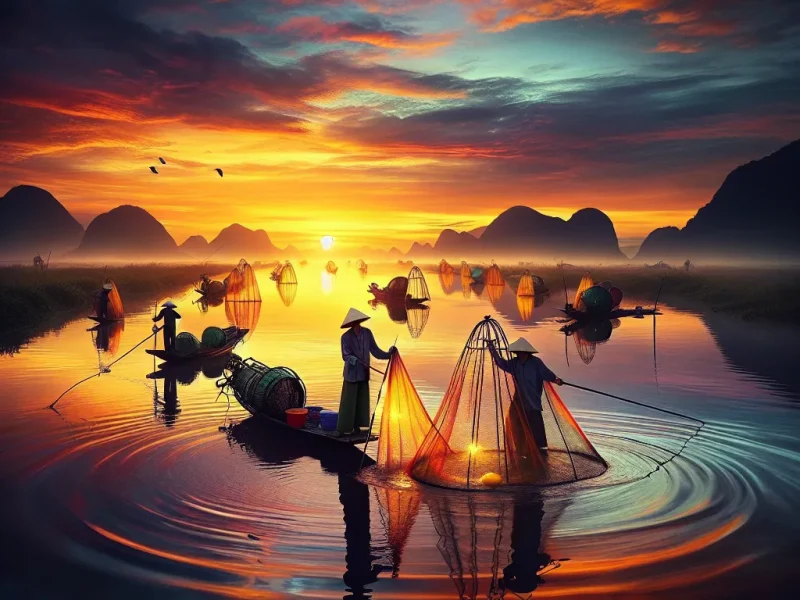

The Thriving World of Fishing in Vietnam: A Deep Dive
Fishing is more than just a livelihood in Vietnam; it is a way of life steeped in tradition, culture, and community. With over 3,000 kilometers of coastline and a rich network of rivers and lakes, Vietnam offers a diverse range of fishing opportunities for both locals and tourists alike. In this article, we’ll explore the various aspects of fishing in Vietnam, from traditional methods to modern practices, while delving into the unique culture surrounding this age-old activity.
The Fishing Landscape of Vietnam
Vietnam’s geography provides an ideal environment for fishing enthusiasts. The nation is bordered by the South China Sea to the east, which is home to a variety of fish species and marine ecosystems. Inland, the Mekong River, Red River, and numerous lakes support freshwater fisheries that are crucial to local communities. Each of these environments offers unique challenges and rewards for fishermen.
Types of Fishing in Vietnam
Vietnamese fishing techniques can be broadly categorized into two types: freshwater and saltwater fishing. Each type employs different methods and equipment, reflecting the diverse ecosystems they inhabit.
Freshwater Fishing
Freshwater fishing is predominantly practiced in the Mekong Delta and northern river systems. Local fishermen often use traditional methods such as net fishing, rod and reel, and traps to catch species like tilapia, catfish, and snakehead fish. The commercial farming of fish such as pangasius has also gained significant traction, providing a sustainable source of income for many families.
Saltwater Fishing
Saltwater fishing in Vietnam is primarily centered around coastal provinces such as Khanh Hoa, Binh Thuan, and Quang Ninh. Techniques range from traditional hand-line fishing to modern trawling methods. Fishermen often venture out to sea for days at a time to catch larger species like tuna, mackerel, and various shellfish.
Popular Fishing Techniques
Whether freshwater or saltwater, Vietnam’s fishermen employ a range of techniques that have been handed down through generations. Here are a few noteworthy methods:
- Drift Net Fishing: This is a common technique used in both freshwater and saltwater environments. Fishermen set nets adrift in the water, allowing fish to become entangled as they swim through.
- Trap Fishing: Fishermen place baited traps underwater, which lure fish in and prevent their escape. This method is particularly effective for species such as crab and shrimp.
- Rod and Reel: This method has gained popularity among both locals and tourists. It offers the thrill of sport fishing, especially in deep-sea fishing expeditions.
- Longlining: Used in commercial fishing, longlining involves setting out a line with multiple hooks to catch various species over a vast area.
The Cultural Significance of Fishing in Vietnam
Fishing in Vietnam is not merely about catching fish; it is deeply rooted in the country’s culture and traditions. Families often gather to fish together, strengthening bonds and creating lasting memories. Fishing festivals are also common, celebrating the bountiful harvests and honoring the sea and river deities.
Traditional Fishing Communities
Many fishing villages throughout Vietnam maintain traditional practices that have been passed down for generations. In these communities, fishing techniques, stories, and wisdom are shared amongst families. Fishermen often engage in communal fishing, where they work together to haul in nets, strengthening camaraderie.
Preserving Cultural Heritage
As modern fishing practices and fishing tourism continue to rise, preserving the cultural heritage of traditional fishing methods becomes increasingly important. Various NGOs and government initiatives are pushing for sustainable fishing practices, emphasizing the need to balance economic gain with environmental stewardship.
The Impact of Modernization on Fishing Practices
The world is witnessing rapid changes due to technological advancements, and Vietnam is no exception. Modernization is reshaping fishing practices, both positively and negatively.
Advantages of Modern Fishing Technologies
Modern fishing technologies have improved efficiency and yield, enabling fishermen to catch larger quantities of fish in shorter durations. Innovations like sonar fish finders, improved net designs, and advanced boat engines have transformed the fishing industry.
Challenges of Overfishing
However, with modernization comes challenges. The rise in fishing efficiency has also led to overfishing in many areas. Important fish species are at risk, impacting biodiversity and the local economy. Conservation efforts are essential to ensure sustainable fishing for future generations.
Tourism and Fishing in Vietnam
Fishing tourism has gained prominence in recent years as more travelers seek authentic experiences in Vietnam. Coastal cities such as Nha Trang and Phu Quoc now feature fishing tours that allow visitors to join local fishermen on their expeditions.
Fishing Tours: A Unique Experience
Joining a fishing tour provides visitors with a hands-on experience in the art of fishing, including techniques and local stories. Tourists can enjoy the thrill of catching their own dinner, contributing to the local economy and providing a boost to sustainable tourism.
Conservation and Awareness
Fishing tours also raise awareness of the need for conservation. Tour operators often educate visitors about sustainable practices and the importance of preserving marine life, fostering a sense of responsibility towards the environment.
Conservation Efforts in Vietnam’s Fishing Sector
As the fishing industry continues to evolve, various conservation efforts are being implemented across the country to protect marine ecosystems and promote sustainable practices.
Government Initiatives
The Vietnamese government has recognized the need for sustainable fishing practices and is enacting regulations to protect fish populations. Efforts include establishing marine protected areas and enforcing fishing quotas to ensure species do not become endangered.
Community-Based Conservation
Local communities are also taking charge of conservation initiatives. Fishermen are encouraged to adopt sustainable practices, such as using environmentally friendly gear and reducing bycatch through the use of selective fishing techniques.
Conclusion
Fishing in Vietnam is a vibrant tapestry of tradition, culture, and modernity. As the country navigates the challenges of conservation and sustainable practices, it stands at a crossroads that will shape its fishing future for generations to come. Whether you are a seasoned angler or a curious traveler, Vietnam’s fishing landscape offers a wealth of experiences waiting to be explored. Embracing and respecting this rich cultural heritage and the environment ensures a sustainable fishing industry that benefits both people and nature alike.
0 Comment