
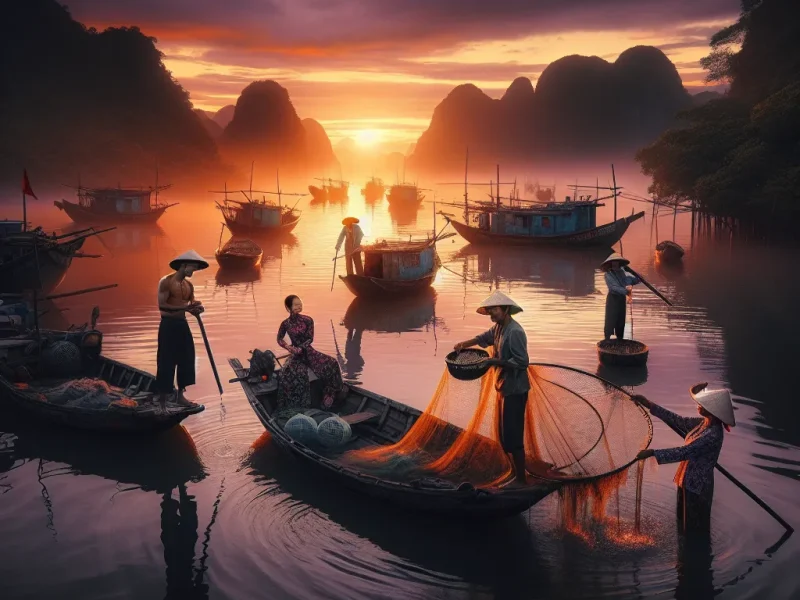

The Thriving Fishing Industry in Vietnam: Unveiling its Secrets and Opportunities
Vietnam, a country known for its breathtaking landscapes and rich culture, is also a haven for fishing enthusiasts and industry players. With an extensive coastline of over 3,200 kilometers, it is no surprise that fishing plays a crucial role in the Vietnamese economy. This article delves into the intricacies of the fishing industry in Vietnam, examining its significance, current trends, unique challenges, and opportunities for sustainable development.
1. The Historical Context of Fishing in Vietnam
The relationship between Vietnamese culture and fishing dates back centuries. Fishing is not just a means of livelihood; it is deeply embedded in the social and cultural fabric of the communities, particularly in coastal regions such as Ha Long Bay, Da Nang, and the Mekong Delta. Traditional fishing methods have been passed down through generations, and many families continue to rely on fishing as a source of income.
1.1 Traditional Fishing Methods
In Vietnam, traditional fishing techniques vary by region. While the northern regions may employ bamboo traps and nets, the south utilizes more modern methods, including trawl nets and longline fishing. Communities often foster a strong connection to the sea, holding festivals and rituals to honor the spirits of the ocean and ensure a bountiful catch.
2. Economic Impact of the Fishing Industry
The fishing industry is one of the pillars of Vietnam’s economy, contributing significantly to both employment and export revenue. It is estimated that over 4 million people in Vietnam are directly involved in the fishing sector, making it a critical source of livelihood for many families.
2.1 Export Markets
Vietnam is one of the world’s top exporters of seafood, particularly shrimp and fish. Not only does this create jobs domestically, but it also elevates Vietnam’s status on the international stage. Major export markets include the United States, the European Union, and Japan. Shrimp, tuna, and catfish are among the most in-demand products, with substantial growth observed in recent years.
3. Sustainable Fishing Practices
As the fishing industry expands, so do concerns regarding overfishing and environmental degradation. Sustainable fishing practices are imperative for ensuring the long-term viability of the industry and the ocean’s health.
3.1 Aquaculture in Vietnam
Aquaculture has gained traction as an alternative to wild fishing. With advancements in technology, many farmers are adopting eco-friendly practices, using recirculating systems, and integrating fish farming with agriculture. This method not only reduces pressure on wild fish stocks but also promotes a balanced ecosystem.
3.2 Government Regulation
The Vietnamese government has implemented various policies aimed at promoting sustainable fishing practices. These include implementing fishing quotas, limiting the use of destructive fishing gear, and encouraging ecological tourism, which benefits both the environment and local communities.
4. Challenges Facing the Fishing Industry
Despite its success and potential, the Vietnamese fishing industry faces numerous challenges that threaten its sustainability and growth.
4.1 Overfishing
Overfishing is perhaps the most pressing issue. The rising demand for seafood has led to the depletion of several fish species. Authorities are making efforts to regulate fishing practices, yet enforcement remains a challenge.
4.2 Climate Change
Climate change poses another significant threat. Rising sea levels and changing weather patterns can disrupt fishing patterns, making it more difficult for traditional fishermen to predict their catch yield. Additionally, ocean acidification is a rising concern, impacting marine life.
5. The Future of Fishing in Vietnam
Looking forward, the future of fishing in Vietnam remains bright, provided that sustainable practices are prioritized. Stakeholders must work collaboratively to balance economic aspirations with environmental stewardship.
5.1 Embracing Technology
Innovative technologies, including satellite tracking for boats and sustainable feed options for aquaculture, can greatly enhance efficiency and sustainability in the fishing industry. The adoption of these technologies can help reduce environmental impact and increase profitability.
5.2 Community Involvement
Engaging local communities in decision-making processes regarding fishing practices can yield positive outcomes. Such involvement ensures that the needs and wisdom of those who depend on fishing are considered, fostering a more sustainable approach to resource management.
6. Fishing Tourism: An Emerging Trend
Fishing tourism is an emerging trend in Vietnam that offers an excellent opportunity for local communities. Tourists seeking authentic experiences can participate in fishing activities, providing an additional income stream for local fishermen.
6.1 Ecotourism and Cultural Exchange
Fishing tourism can also serve as an avenue for cultural exchange, allowing visitors to appreciate the fishing traditions and lifestyles of local communities. This fosters respect and understanding while promoting responsible consumption of marine resources.
7. Conclusion
The fishing industry in Vietnam presents unique opportunities for economic growth while navigating the challenges posed by overfishing and climate change. By embracing sustainable practices, leveraging technology, and involving communities in decision-making, Vietnam can ensure a bright future for its fishing sector. Exploring fishing in Vietnam is not merely about the industry; it is a glimpse into the soul of its people and their connection to the sea.
0 Comment