
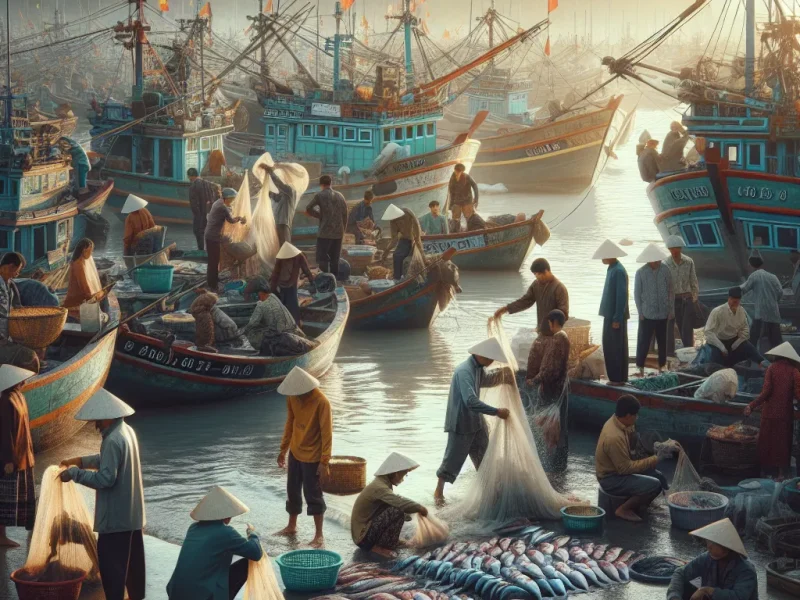

Exploring the Thriving Fishing Industry in Vietnam
The Significance of Fishing in Vietnamese Culture
The fishing industry in Vietnam holds a special place in the hearts of its people and is a cornerstone of its economy. The country boasts an extensive coastline of over 3,200 kilometers along the South China Sea, making it one of the richest marine biodiversity hotspots globally. Fishing has been a vital source of livelihood for millions of Vietnamese, providing sustenance and economic growth.
Diverse Marine Life: A Fisherman’s Paradise
Vietnam’s waters are teeming with a variety of fish species, crustaceans, and mollusks. From the bustling shallow waters to the deep oceanic depths, the country’s marine environment supports the fishing of numerous species, including:
- Tilapia: A freshwater fish popular for its taste and farming.
- Catfish: Known for its versatility in Vietnamese cuisine, especially in dishes like ‘canh chua.’
- Pangasius: Widely exported, this fish is a staple in many Vietnamese households.
- Squid: A key ingredient in various local delicacies.
- Sardines: Commonly caught and enjoyed grilled or dried.
Traditional Fishing Techniques: A Blend of Art and Skill
Fishing in Vietnam is not just about catching fish; it is deeply rooted in tradition and culture. Fishermen employ various techniques that have been passed down through generations, including:
Net Fishing
This method involves using nets of different sizes to catch fish in rivers, lakes, and coastal areas. Fishermen often work in teams to cast large nets and haul in the catch.
Trap Fishing
Simple yet effective, trap fishing utilizes baskets or traps placed in strategic locations to capture fish as they swim by. This sustainable method minimizes bycatch and is often used for shrimp and crabs.
Longlining
Utilized mainly for deep-sea fishing, longlining involves using long lines with multiple baited hooks. This method targets larger fish species such as tuna and swordfish.
Spearfishing
While not as common, spearfishing is practiced in some coastal communities, allowing skilled divers to catch fish using a spear gun, traditionally done by free diving.
The Rise of Sustainable Fishing Practices
With increasing awareness of environmental issues, the Vietnamese fishing industry is making strides toward sustainability. Overfishing and habitat destruction are pressing concerns, leading to the implementation of various initiatives:
- Fishing Quotas: The government has established catch limits to prevent overfishing and ensure the longevity of fish populations.
- Marine Protected Areas: Areas are designated to protect critical habitats and promote biodiversity, allowing fish populations to recover.
- Community Engagement: Local communities are being involved in research and conservation efforts, fostering a sense of responsibility towards the ocean.
- Certification Programs: Organizations such as the Marine Stewardship Council (MSC) are working with Vietnamese fisheries to achieve sustainable certification.
Fishing Tourism: A Growing Trend
Vietnam is increasingly becoming a favored destination for fishing tourism, attracting anglers from around the globe. Tour operators offer a variety of fishing experiences, including deep-sea fishing, fly fishing in rivers, and even traditional fishing experiences with local fishermen. Some notable fishing spots include:
Halong Bay
Famous for its emerald waters and unique limestone formations, Halong Bay is not only a UNESCO World Heritage Site but also a fantastic location for fishing enthusiasts willing to catch squid and snapper.
Mekong Delta
The Mekong Delta is renowned for its rich biodiversity and offers a variety of fishing experiences, from catching Tilapia to exploring the unique fishing practices of local communities.
Phu Quoc Island
Known for its beautiful beaches and clear waters, Phu Quoc provides opportunities for both coral reef fishing and deep-sea fishing, making it an ideal destination for many tourists.
Empowering Local Communities Through Fishing
The fishing industry is integral to local communities, providing not only sustenance but also opportunities for economic empowerment. Through community-based fisheries management, local fishermen can collaborate to manage their resources sustainably while also benefiting economically from fishing tourism.
The Future of Fishing in Vietnam
The future of fishing in Vietnam lies in balancing economic growth with sustainability. Continued efforts to adopt sustainable practices, coupled with community engagement, will ensure that future generations can enjoy the rich fishing heritage of Vietnam. Additionally, ongoing education about marine conservation will be crucial in preserving the country’s underwater treasures.
The Role of Technology
Modern technology is playing an increasingly vital role in enhancing fishing practices in Vietnam. Innovations such as satellite tracking of fishing vessels, mobile apps for monitoring fish populations, and eco-friendly fishing gear are being introduced to assist fishermen in making informed decisions that promote sustainability.
Conclusion
The fishing industry in Vietnam is a vibrant tapestry of tradition, culture, and passion. As it faces new challenges, the commitment to sustainable practices and community engagement will pave the way for a flourishing future in fishing. Whether you are a fisher, a foodie, or simply an enthusiast of marine life, Vietnam offers an unparalleled experience that showcases the beauty of its seas, one catch at a time.
0 Comment