
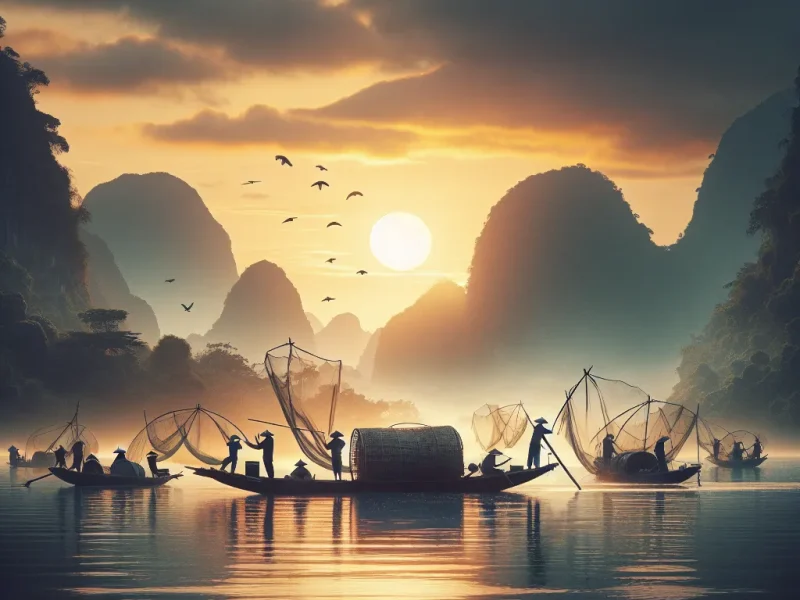

Exploring the Rich Fishing Culture in Vietnam
Fishing in Vietnam is not just an occupation; it is a way of life, a tradition that runs deep in the veins of its people. From the bustling markets filled with fresh catches to the serene waters where fishermen ply their trade, the fishing culture in Vietnam is both vibrant and vital to the nation’s economy.
A Brief Overview of Vietnam’s Fishing Landscape
Vietnam, boasting an extensive coastline of over 3,200 kilometers, is home to diverse marine ecosystems that support a plethora of fish species. The fishing culture here is intricately linked to the customs and traditions of the Vietnamese people. Fishing isn’t merely about food; it reflects the social and economic fabrics of the communities.
Types of Fishing in Vietnam
Vietnam’s fishing techniques are as varied as its landscape. Here are some of the most common forms of fishing practiced throughout the country:
Coastal Fishing
Coastal fishing is prevalent along the country’s shorelines. Fishermen often use small boats and employ traditional techniques such as netting and line fishing to catch local fish species like mackerel, grouper, and snapper.
Inland Fishing
Inland fishing is commonly practiced in rivers, lakes, and wetlands. Techniques vary from region to region, with locals utilizing traps, gillnets, and fish farms to harvest fish like tilapia, catfish, and carp.
Deep-Sea Fishing
For those adventurous souls, deep-sea fishing is a thrilling pursuit. Fishermen venture out into the open ocean in larger vessels to catch larger species such as tuna, marlin, and swordfish.
The Popular Fishing Spots in Vietnam
Vietnam is dotted with numerous fishing hotspots that attract both local and international anglers. Here are some of the most notable locations:
Da Nang
Famous for its beautiful beaches and vibrant marine life, Da Nang offers excellent opportunities for both shore and boat fishing. The region is home to numerous fishing charters that cater to anglers looking to catch deep-sea fish.
Ha Long Bay
Ha Long Bay, a UNESCO World Heritage Site, is another prime fishing destination. The unique limestone islands and rich biodiversity make it an ideal spot for both fishing and eco-tourism.
Mekong Delta
The Mekong Delta is renowned for its lush landscapes and bounteous water systems, providing a haven for inland fishing. The region supports a wide variety of both freshwater and saltwater fish species.
The Economic Importance of Fishing in Vietnam
Fishing plays a crucial role in Vietnam’s economy. It is estimated that the fishing industry contributes significantly to the nation’s GDP while providing livelihoods to millions of people. Additionally, Vietnam is one of the largest exporters of seafood in the world, with shrimp, catfish, and tuna being among the most sought-after products.
Challenges Facing the Fishing Industry
Despite its economic importance, the fishing industry in Vietnam faces numerous challenges:
Overfishing
Overfishing remains a significant concern, threatening the sustainability of fish populations. Many species have seen drastic declines in numbers due to excessive harvesting.
Pollution
Water pollution from industrial activities and urban runoff also poses a threat to marine life, impacting the health of both the ecosystem and the fishing communities that rely on it.
Climate Change
Climate change is altering marine habitats and fish migration patterns. Rising sea temperatures and ocean acidification can disrupt local fisheries and threaten livelihoods.
Conservation Efforts
To address these challenges, both the government and local organizations are working on various conservation initiatives aimed at promoting sustainable fishing practices.
Fishery Management Programs
The Vietnamese government has established fishery management programs aimed at regulating fishing quotas, promoting responsible harvesting, and protecting endangered species.
Community-Based Conservation
Many local communities have initiated conservation projects that focus on preserving bogs and wetlands, ensuring sustainable fish populations, and promoting eco-friendly fishing techniques.
The Cultural Significance of Fishing
Fishing in Vietnam transcends mere economic activity; it is intertwined with the cultural identity of its people. Fishing festivals, traditional boat races, and culinary practices centered around fish reflect the profound relationship between Vietnamese culture and aquatic life.
Fishing Festivals
Throughout the year, various fishing festivals are celebrated in Vietnam, showcasing the importance of fishing to local communities. These festivals often feature traditional rituals, seafood delicacies, and competitions that foster a spirit of solidarity among fishermen.
Culinary Traditions
Vietnamese cuisine showcases an array of fish and seafood dishes that are integral to the country’s culinary heritage. From pho with fish to various grilled and fried fish dishes, the flavors reflect the bounty of the sea.
Fishing Tourism in Vietnam
As the fishing industry continues to evolve, fishing tourism has emerged as a popular niche market. Tourists seeking to experience Vietnam’s rich fishing culture can engage in various activities, from deep-sea fishing charters to cultural tours exploring the livelihoods of local fishermen.
Guided Fishing Tours
Many travel companies offer guided fishing tours that provide visitors with an authentic experience. Anglers are often taken to the best fishing spots, and local fishing techniques are shared, making for an unforgettable experience.
Community Engagement
Fishing tourism not only benefits the economy but also fosters community engagement. Visitors often find themselves immersed in local traditions, creating a deeper appreciation for the culture and lifestyles of Vietnam’s fishing communities.
Conclusion
Fishing in Vietnam is more than an economic pursuit; it is a cultural cornerstone that binds communities together and sustains livelihoods. As the industry faces challenges, a collective effort toward sustainability and conservation is essential to preserve this invaluable aspect of Vietnamese life. As tourists and locals alike continue to engage with Vietnam’s fishing heritage, the spirit of the sea will thrive for generations to come.
0 Comment