
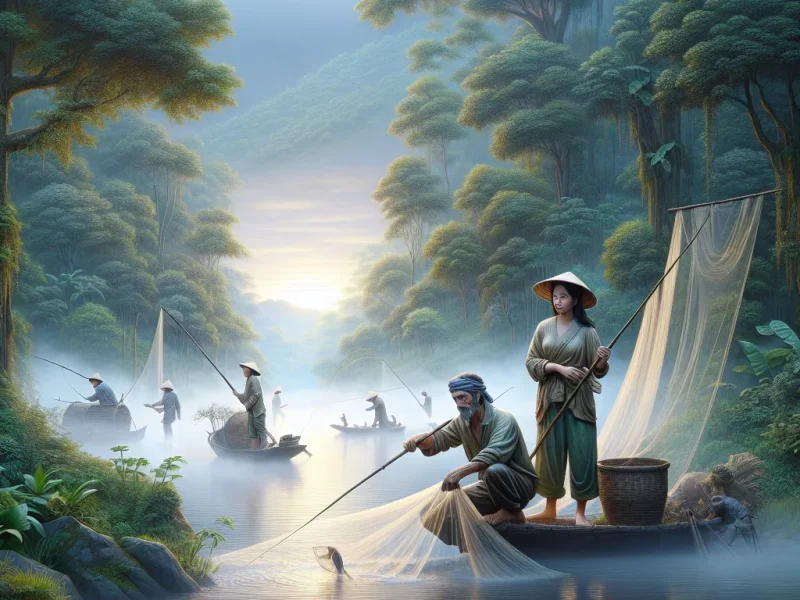

Angling Adventures: Exploring the Diverse Fishing Opportunities in Vietnam
Fishing is more than just a hobby in Vietnam; it is a deep-rooted aspect of the country’s culture and economy. With its extensive coastline, abundant freshwater lakes, and rich river systems, Vietnam offers an array of fishing experiences for both locals and tourists. In this article, we’ll delve into the various fishing opportunities in Vietnam, the species you can catch, and sustainable practices to keep in mind.
The Geography of Fishing in Vietnam
Vietnam’s geographic diversity contributes significantly to its fishing industry. The country stretches over 3,400 kilometers along the eastern coast of the Indochinese Peninsula, featuring numerous rivers, lakes, and streams teeming with aquatic life. Major watersheds like the Mekong Delta and Red River Delta provide anglers with ample sources of freshwater species, while the South China Sea presents an extensive marine ecosystem.
Freshwater Fishing
Many of Vietnam’s rivers and lakes are home to a variety of freshwater species. Popular spots include:
- Hoan Kiem Lake: Located in Hanoi, this historic lake is not only a cultural landmark but also a great spot for local anglers hoping to catch species like tilapia and catfish.
- Mekong Delta: This region is a paradise for fishermen, featuring numerous canals and tributaries rich in biodiversity. Species such as snakehead fish and freshwater shrimp are common catches here.
- Ba Be Lake: Nestled in the lush mountains of Cao Bang Province, Ba Be Lake offers unique fishing experiences with picturesque views and an array of freshwater species.
Saltwater Fishing
The coastal regions of Vietnam are equally enticing for saltwater fishing enthusiasts. Popular locations include:
- Phu Quoc Island: Known for its stunning beauty, Phu Quoc is a top destination for sport fishing, where you can catch marlin, tuna, and snapper.
- Da Nang: This coastal city is renowned for its deep-sea fishing opportunities, attracting anglers who seek larger species in the open waters of the South China Sea.
- Nha Trang: An ideal location for both amateur and seasoned anglers, Nha Trang offers vibrant marine life, including grouper and barracuda.
Fishing Techniques in Vietnam
Fishing in Vietnam is characterized by various traditional and modern techniques:
Traditional Fishing
Many Vietnamese fishing practices have been passed down through generations:
- Net Fishing: Fishermen commonly use nets made from natural materials, which provide an eco-friendly method of capturing fish.
- Traps: Fishermen set traps in rivers and lakes to catch fish, promoting sustainability by allowing smaller fish to escape.
- Hand Fishing: Popular among locals, especially during the dry season, this technique involves using hands to catch fish in shallow waters.
Modern Fishing Methods
While traditional practices remain prevalent, many anglers also adopt modern techniques:
- Fly Fishing: This technique has been gaining popularity among both locals and tourists, especially in pristine mountain rivers.
- Boat Fishing: Many fishing tours offer boat rentals equipped with the latest technology, allowing anglers to explore deeper waters.
- Catch and Release: An increasing number of fishermen promote catch-and-release practices to preserve the aquatic ecosystem.
The Importance of Sustainable Fishing
With the booming fishing industry, sustainable practices are essential for the preservation of Vietnam’s rich marine and freshwater biodiversity. The government and local communities are increasingly aware of the impact of overfishing and habitat destruction.
Regulations and Practices
To support sustainable fishing, various regulations are being implemented:
- Size and Species Limits: Authorities set limits on fish sizes and species that can be caught to ensure populations remain healthy.
- Protected Areas: Establishing marine protected areas helps in conserving vital habitats and promoting the recovery of overfished species.
- Public Awareness: Campaigns aimed at educating the public on sustainable fishing practices are on the rise.
Cultural Significance of Fishing in Vietnam
Fishing holds a special place in Vietnamese culture. It’s not just about catching fish; it’s a way of life for many communities:
Traditional Values
Fishing is often linked with traditional festivals where communities come together to celebrate their heritage. The fishing industry also plays a critical role in local economies, providing livelihoods to numerous families.
Culinary Delights
Vietnamese cuisine is heavily influenced by its fishing culture, with seafood playing a central role in culinary traditions. Dishes such as:
- Gỏi Cá (Fish Salad): A popular dish made from fresh fish, herbs, and lime.
- Bánh Xèo (Vietnamese Pancakes): Often filled with seafood, these savory pancakes are a favorite among locals.
- Chả Cá (Fish Cake): This iconic Hanoi dish showcases the diversity of local fish, often served with rice noodles.
Best Times to Fish in Vietnam
The optimal time for fishing varies by region:
- North Vietnam: Fishing is best between October and April, when temperatures are cooler.
- Central Vietnam: The dry season from January to August offers good fishing conditions.
- South Vietnam: The peak season is from December to March, when fish are abundant and easier to catch.
Getting Started: Essential Gear and Tips
Whether you’re a novice or a seasoned angler, having the right gear and knowledge is crucial:
Essential Fishing Gear
- Rods and Reels: Depending on the type of fishing, choose appropriate rods and reels to maximize your chances of a catch.
- Fishing Line: Use quality fishing lines that suit the type of water and species you’re targeting.
- Bait and Lures: Local bait can differ depending on the species you’re aiming for. Research what works best for your target catch.
Fishing Etiquette
- Respect Local Customs: Familiarize yourself with local fishing practices and customs.
- Dispose of Waste Properly: Maintain the eco-friendliness of fishing environments by properly disposing of litter.
- Practice Catch and Release: Where possible, engage in sustainable practices to protect fish populations.
Conclusion: An Invitation to Explore
Fishing in Vietnam offers an opportunity to connect with nature while immersing yourself in the rich cultural tapestry of the country. Whether you prefer freshwater lakes or the salty ocean, Vietnam’s diverse aquatic landscapes promise unforgettable adventures. Embrace sustainable practices and respect local customs to ensure that future generations can also enjoy the riches of Vietnam’s waters.
So, prepare your gear and set out on an angling adventure through the enchanting fishing grounds of Vietnam. Happy fishing!
0 Comment