
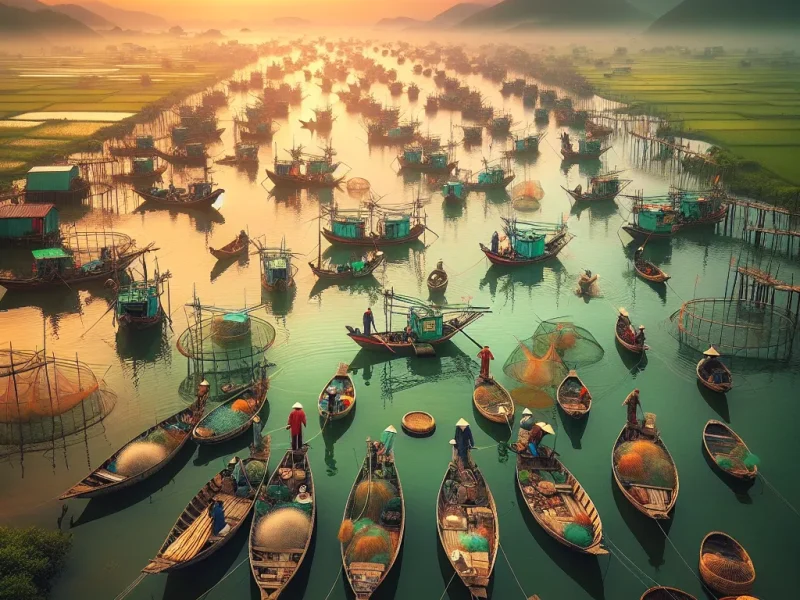

Exploring the Rich Fishing Traditions of Vietnam
Introduction
Fishing in Vietnam is more than just a livelihood; it’s a culture woven deeply into the fabric of Vietnamese life. Fishing plays a critical role in the economy, cuisine, and community traditions of Vietnam. This article explores the various aspects of fishing in Vietnam, encompassing traditional methods, modern techniques, and the significance of this time-honored practice in Vietnamese society.
The Importance of Fishing in Vietnamese Culture
Fishing has shaped Vietnamese culture for centuries. With a long coastline stretching over 3,400 kilometers and numerous rivers and lakes, Vietnam is blessed with a rich aquatic biodiversity. Fishing serves as a primary source of protein for many Vietnamese families and is celebrated through various festivals and culinary practices.
In rural areas, fishing is often a communal activity, fostering unity and cooperation among villagers. It’s also an integral part of many national festivals, highlighting the reverence the Vietnamese have for the water and its inhabitants.
Historical Context
Historically, Vietnamese fishing practices can be traced back thousands of years. The earliest inhabitants relied on primitive tools and techniques for fishing, using handmade nets and spears. Over time, these methods evolved into more sophisticated practices, incorporating larger boats, traps, and diverse bait types.
Traditional Fishing Methods
Traditional fishing methods in Vietnam reflect the ingenuity and adaptability of its people. Many of these practices have been passed down through generations and showcase a deep understanding of local ecosystems.
Net Fishing
One of the most common traditional methods is net fishing. Fishermen use various types of nets, including gillnets, cast nets, and seine nets, to catch fish in rivers, lakes, and coastal areas. Each fishing method varies according to the environment, type of fish, and time of year.
Fish Traps
Fish traps, known locally as bẫy cá, are ingenious constructions made of bamboo or other natural materials. These traps are strategically placed in waterways, allowing fish to enter but preventing them from escaping.
Hand Fishing
Hand fishing is another method where individuals often use simple tools such as fishing rods or even their bare hands to catch fish in shallow waters. This technique can be an exciting challenge and is often practiced by locals for fun or as a means of supplementing their diet.
Modern Fishing Techniques
While traditional methods remain vital, modern fishing practices have also begun to take root in Vietnam. These techniques often incorporate technology and sustainability to meet increased demand for seafood.
Commercial Fishing
Commercial fishing has become a major part of Vietnam’s economy, contributing significantly to export revenues. Industrial fishing boats equipped with advanced technology have enabled fishermen to venture further into the ocean, targeting deeper-sea species.
Aquaculture
Vietnam is a leading producer of aquaculture, particularly shrimp and catfish. Fish farming, or aquafarming, allows for sustainable fish production, reducing overfishing in natural waters. Many rural families have turned to aquaculture as a reliable source of income.
Top Fishing Destinations in Vietnam
Vietnam boasts a diverse range of fishing spots, appealing to both locals and tourists alike. Here are some top destinations for fishing enthusiasts.
Ha Long Bay
A UNESCO World Heritage site, Ha Long Bay is famous for its emerald waters and thousands of limestone islands. It’s a popular spot for deep-sea fishing and offers various charter services for fishing excursions.
Mekong Delta
The Mekong Delta is a haven for freshwater fishing, famed for its diverse aquatic life. Fishermen here often use traditional methods, and visitors can participate in fishing tours that provide a glimpse into local life.
Phu Quoc Island
Known for its stunning beaches and clear waters, Phu Quoc Island is an excellent destination for sportfishing. Visitors can catch a variety of fish, including tuna and barracuda, and enjoy the breathtaking scenery.
Fishing and Sustainability
The rapid growth of the fishing industry has raised concerns about sustainability. Overfishing, pollution, and climate change pose significant threats to marine life in Vietnam. As a result, there’s an increasing focus on sustainable fishing practices.
Community Efforts
Many Vietnamese communities are beginning to implement sustainable practices, such as rotating fishing areas and using eco-friendly fishing gear. These efforts aim to ensure that fish populations remain healthy for future generations.
Government Regulations
The Vietnamese government has introduced several regulations to combat illegal fishing and promote sustainable practices. These include restrictions on fishing seasons, size limits for catch, and protecting critical habitats such as mangroves.
The Role of Fishing in Vietnamese Cuisine
No exploration of fishing in Vietnam would be complete without highlighting its importance in Vietnamese cuisine. Fish and seafood are staples in the Vietnamese diet, featuring prominently in many popular dishes.
Signature Dishes
Some iconic dishes that showcase the diverse fish and seafood available in Vietnam include:
- Gỏi cá: A traditional raw fish salad, often served with fresh herbs and vegetables.
- Cá kho tộ: A delicious caramelized fish dish cooked in a clay pot, a must-try for visitors.
- Phở cá: A unique variation of the famous Vietnamese noodle soup, featuring fish as the main protein.
Culinary Techniques
Vietnamese chefs employ various cooking techniques, such as grilling, steaming, and frying, to prepare seafood, allowing the natural flavors to shine through. The abundance of herbs and spices used in Vietnamese cooking enhances these flavors, making seafood an essential aspect of Vietnamese gastronomy.
Fishing Festivals in Vietnam
Fishing festivals are a vibrant part of Vietnamese culture, celebrating the connection between the people and the sea. These festivals often involve rituals to honor the sea and pray for prosperous catches.
Thái Bình Fishing Festival
Held in Thái Bình province, this festival is a blend of traditional rituals and modern fishing competitions, where local fishermen showcase their skills and compete for prizes.
Nam Trung Fishing Festival
This festival, held in Ninh Thuận province, highlights traditional fishing practices through various performances, exhibitions, and food stalls promoting local seafood dishes.
Conclusion
The fishing culture in Vietnam is as diverse and rich as the country’s stunning landscapes. From traditional fishing practices to modern techniques, fishing not only sustains the livelihoods of millions but also fosters community connections and national pride. As Vietnam embraces sustainable fishing practices, it remains committed to preserving this vital cultural heritage for generations to come.
FAQs
1. What types of fish can I catch in Vietnam?
Vietnam is home to a variety of fish species, including catfish, tilapia, snapper, mackerel, and various types of shrimp and crab.
2. Are fishing licenses required in Vietnam?
For commercial fishing, permits and licenses may be necessary, but recreational fishing generally does not require licenses. However, it’s advisable to check local regulations.
3. When is the best time for fishing in Vietnam?
The best time to fish in Vietnam largely depends on the region, with the dry season (approximately November to April) being ideal for many fishing activities.
4. How can tourists participate in fishing in Vietnam?
Many tour operators offer fishing excursions, workshops, and classes for tourists. Visitors can experience local fishing techniques while enjoying the scenic beauty of Vietnam’s waterways.
0 Comment